Note-taking, emergent structure, understanding, and AI.
The first part of this essay was what I wrote before I began the experiment
Testing a new approach to note-taking - emergent structure
Testing a new way of keeping notes using Obsidian for 3 months. The idea is to keep the note files at the root folder instead of obsessing over how to categorize them. Previously, I was always anxious about losing some notes if I didn't categorize them correctly. However, I was inspired by Steph Ango, the CEO of Obsidian, to embrace messy, chaotic files. This messiness and chaos instead allow for an emergent structure to form. I think this emergent structure enables users to create and produce rather than simply consume.
Besides, I really liked how Obsidian is designed to empower users rather than control them. The philosophy "File Over App" is shared by Steph Ango here: File Over App
My review after few months of emergent structure note taking
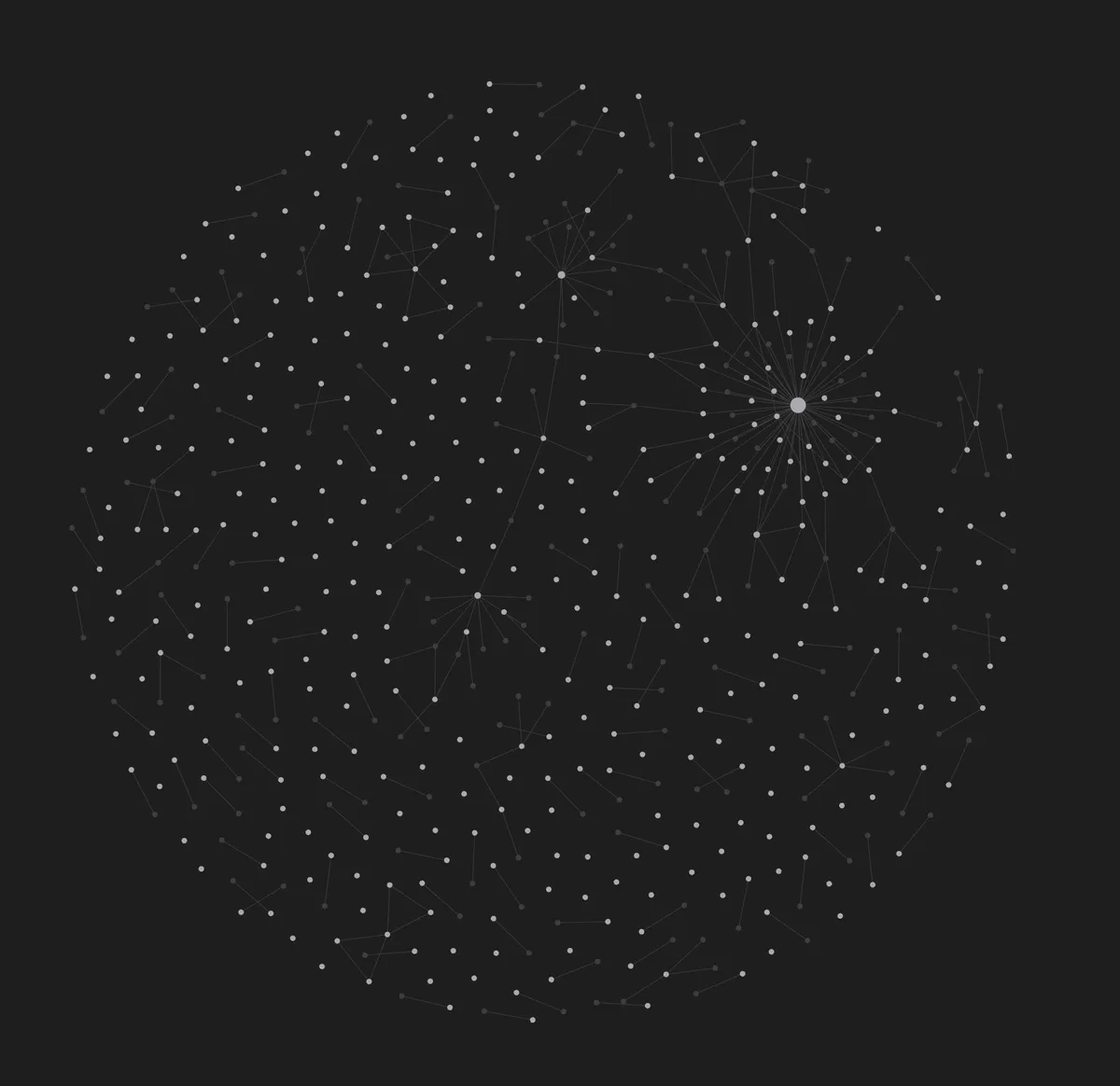
Several months have passed since I tried the emergent structure of note-taking. My brutally honest opinion is that it is simply overly romanticized. The idea of a web of notes coming alive and conversing with you without any organizational efforts is merely a dream (at least with the current Obsidian tools). The visual rendering of the web of notes seems to aid only in virtue signaling that you're an academic and a deep thinker; it does not do much other than that. Critics might say that I don't use my notes correctly; my opinion is that value extraction from notes isn't as simple as taking notes and "hoping" they will yield value in the future. That's just hopium. The closest "proven" way to achieving what I think the Obsidian-note-taking-fanatics people are aiming for is Zettelkasten. I would even go further and argue that, even with AI's help in extracting value from notes (see Obsidian second brain by Karpathy), it still falls short of what the Zettelkasten creator Niklas Luhmann achieved in the 1950s. I think the main reason is that you can't yet easily synthesize understanding. You kind of need to struggle and put together a picture for yourself; better yet, if it is wrong.
This reminds me of what Taimur Abdaal wrote in his essay "Learn by exploration, then by theory"
"Learning by exploration is like being in a dark room. When you enter, you have no idea what’s in there, how it’s laid out, or even how big it is. You fumble your way around, knocking into things. You occasionally feel out the shape of something, but can’t tell what it is. You start to build up a map of the room in your head, but it’s wholly imprecise and mostly inaccurate."
Another important point is that AI automates the most fundamental part of our understanding: writing in our own words. Encoding knowledge in your brain requires you to speak it in your own words in your own head. AI writing the content and then you reading it simply doesn't work. There is no encoding there.
It's funny because the AI might be learning, but we're not.
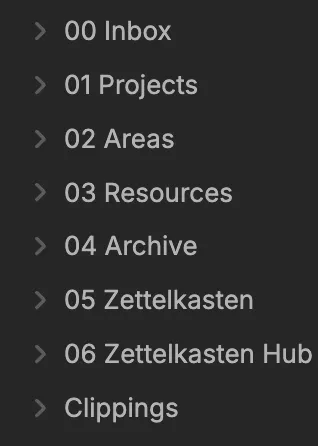
Here's my new notes structure: